Industrial Resilience Infrastructure™
The grid blinks.
Your production doesn't.
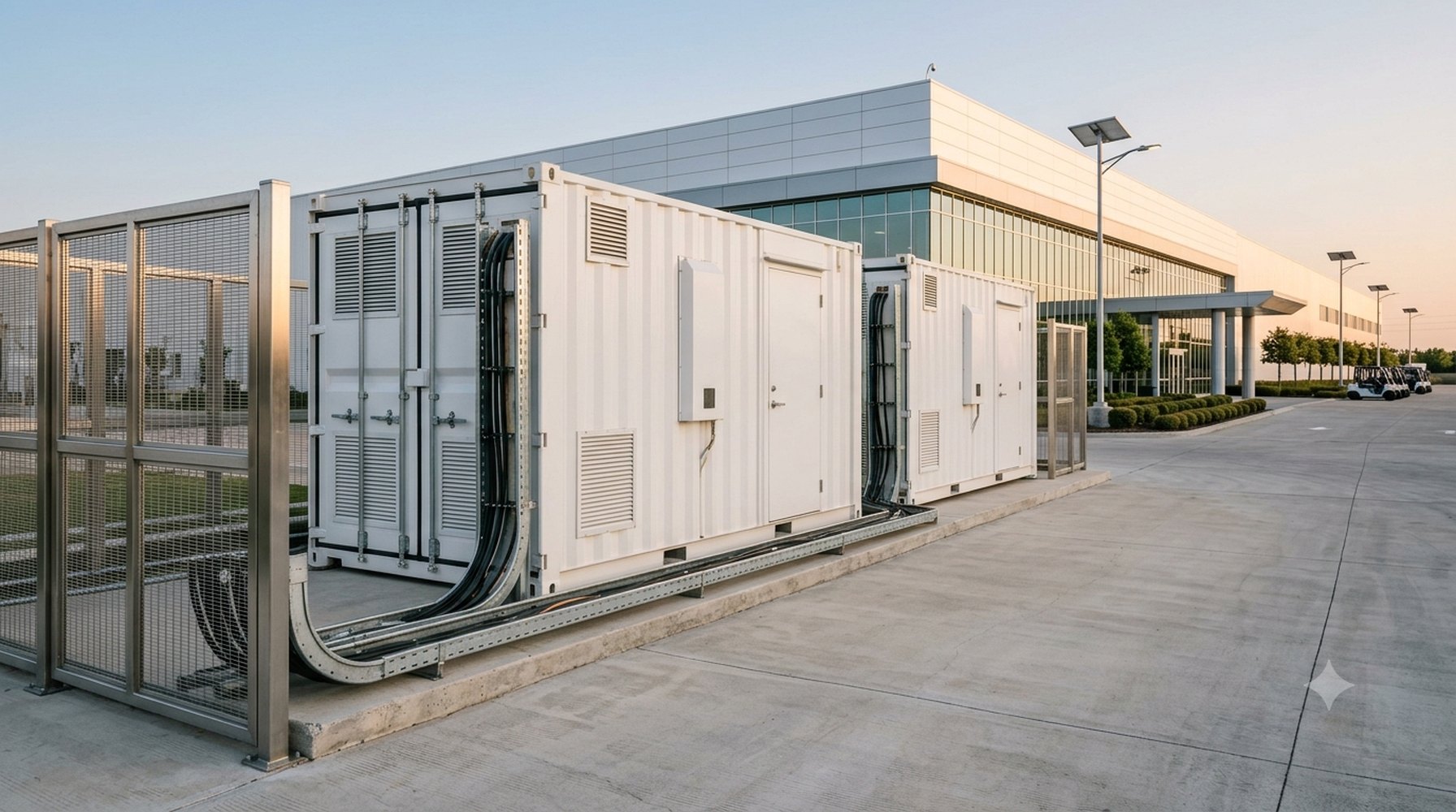
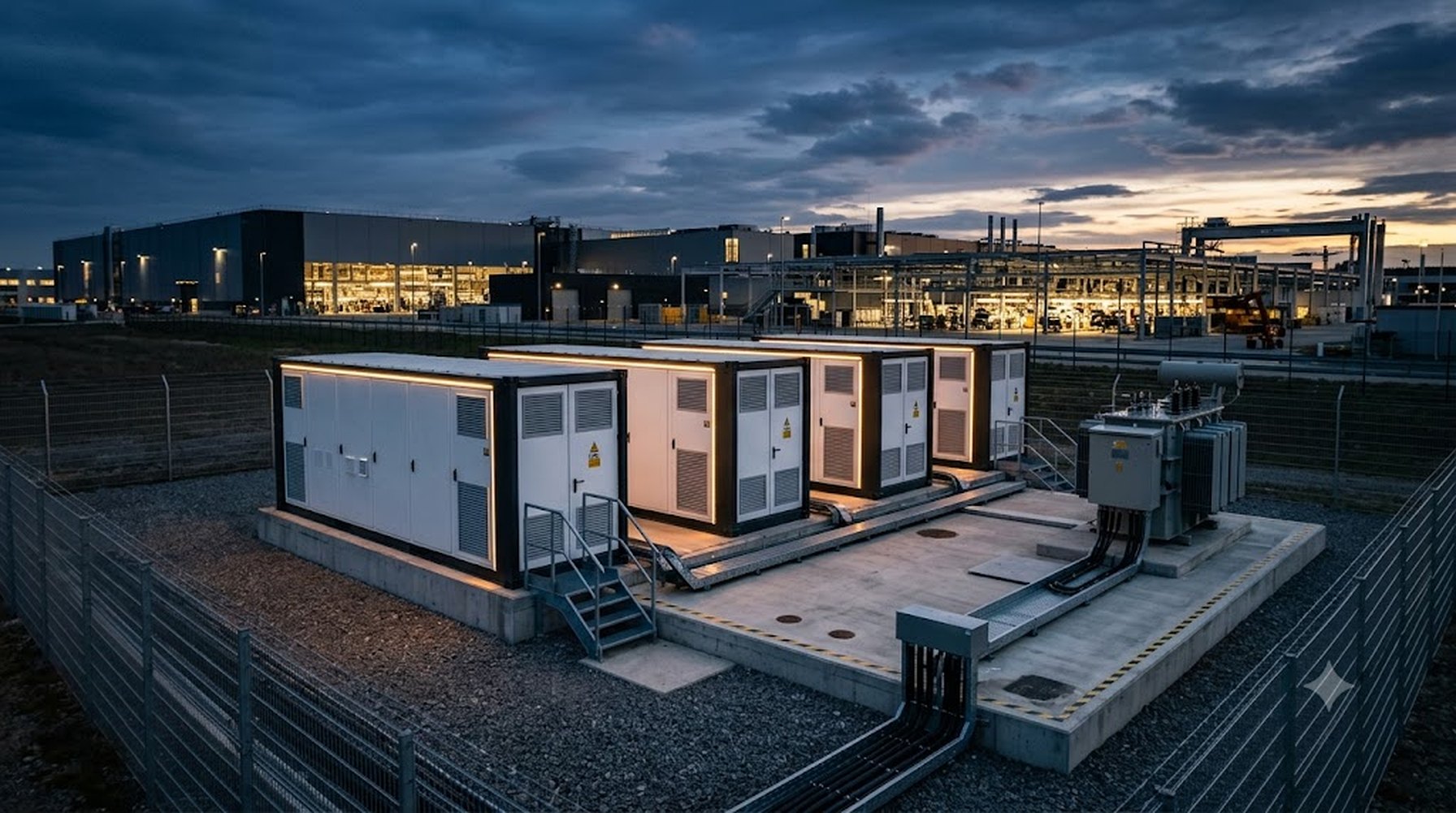
PulseVolt designs, builds and services the NB-BESS™ — a no-break architecture that feeds your plant permanently through the inverter. The disturbance never reaches the line, and your delivery commitments never ride on the grid. One late shipment costs more than money — it costs trust.
The real problem
The event lasts a second.
The consequences last hours.
A momentary dip, a voltage sag or a utility recloser doesn't feel like a blackout. It feels like robots stopping, PLCs rebooting, drives tripping, and a line that spends the rest of the shift getting back to rate. Industry power-quality studies attribute up to 60% of industrial downtime to exactly this.
- Lost output and idle labor across the shift
- Scrap, rework and additional quality releases
- Cumulative damage to critical electronics and unplanned maintenance
- Penalties, missed deliveries and your credibility inside the supply chain
| Electrical event | Line down | Equipment restart | Setup & calibration | Back to rate |
|---|---|---|---|---|
| 1s | 5min | 15min | 20min | 45min |
Typical sequence observed in automated manufacturing. The cost is almost never in the event — it's in the recovery.
Mission-critical in the supply chain
Your production commitment
extends beyond your plant
When your operation is part of a larger manufacturing supply chain, electrical continuity becomes a supply-chain responsibility. Your plant may be one small piece of a much larger commitment — and a failure here has consequences far beyond the value of what you fail to produce. PulseVolt protects the continuity of the production processes your entire supply chain depends on.
A small part can hold up a major delivery
A component worth a few hundred dollars can sit on the critical path of a much larger product, shipment or customer commitment.
Your failure becomes your customer's problem
Missed schedules cascade downstream: delays, expedited shipments, penalties, complaints and disruption across the chain.
Protect the investment already made
Your company has invested heavily in people, equipment, facilities and capacity. Protecting that capacity means protecting the return on those investments.
Reliability is part of the commitment
At high utilization there is little room to recover from an unexpected interruption — a power event becomes an on-time-delivery problem.
Protect more than today's shipment
Repeated failures erode customer confidence, supplier performance ratings, future business — and the plant's reputation and competitiveness.
The architecture
Not a BESS.
Not a UPS.
An NB-BESS™..
Double conversion keeps the plant fed permanently through the inverter. The grid charges; the inverter delivers. When the grid misbehaves there is nothing to switch, because production was never wired straight to it.
Isolate, don't react
Devices that correct events have to detect them first. Here the disturbance simply has no path to the load.
Protection as the default state
Protection isn't a mode that engages. It's how the system runs, 24 hours a day.
Every technology solves a different problem
Generator, BESS or NB-BESS
A generator covers long outages. A conventional BESS optimizes energy cost. Only a no-break architecture keeps production running through the event itself.
| Capability | Industrial UPS | Generator | Conventional BESS | PulseVolt NB-BESS |
|---|---|---|---|---|
| Backup during extended outages | ✕ | ✓ | ✓ | ✓ |
| Energy cost optimization | ✕ | ✕ | ✓ | ✓ |
| Protection from sags, dips and transients | ✓ | ✕ | ~ | ✓ |
| Scales to full plant load (MW) and motor loads | ✕ | ✓ | ✓ | ✓ |
| Uninterrupted production continuity | ~ | ✕ | ✕ | ✓ 0 ms |
Transfer times on a conventional BESS typically range from 5 to 200 ms depending on architecture. For a highly automated process, that window is long enough to cause a stoppage.
A UPS protects a rack or a machine, with minutes of autonomy. An NB-BESS protects the whole line — and one device rebooting is enough to stop it all.
Why PulseVolt
Five facts your CFO
will get in one read
Right now, the grid holds your reputation
Every delivery promise rides on power you don't control. With an NB-BESS, the grid no longer gets a vote on whether you deliver.
Your assets are taking the hits
Robots, PLCs, drives and spindles absorb every sag and transient — cumulative damage you pay for in maintenance and shortened equipment life.
Protecting production pays for itself
Quantify stoppages properly and the return surprises people: in documented cases, typical payback runs under 12 months.
We scale with you — the system and the company
Add modules as the plant grows and keep the same partner: one supplier, one engineering team, in-house service, from hundreds of kW to tens of MW.
An asset that earns — not an expense that protects
No diesel refills, no lead-acid swaps every couple of years, no wholesale replacements: the same asset does peak shaving and demand management while it stands guard.
Where it matters
Built for industries that can't blink

Automotive & Tier 1
Body shops, assembly and component lines where an hour of downtime is measured in hundreds of thousands of dollars.
Aerospace & high precision
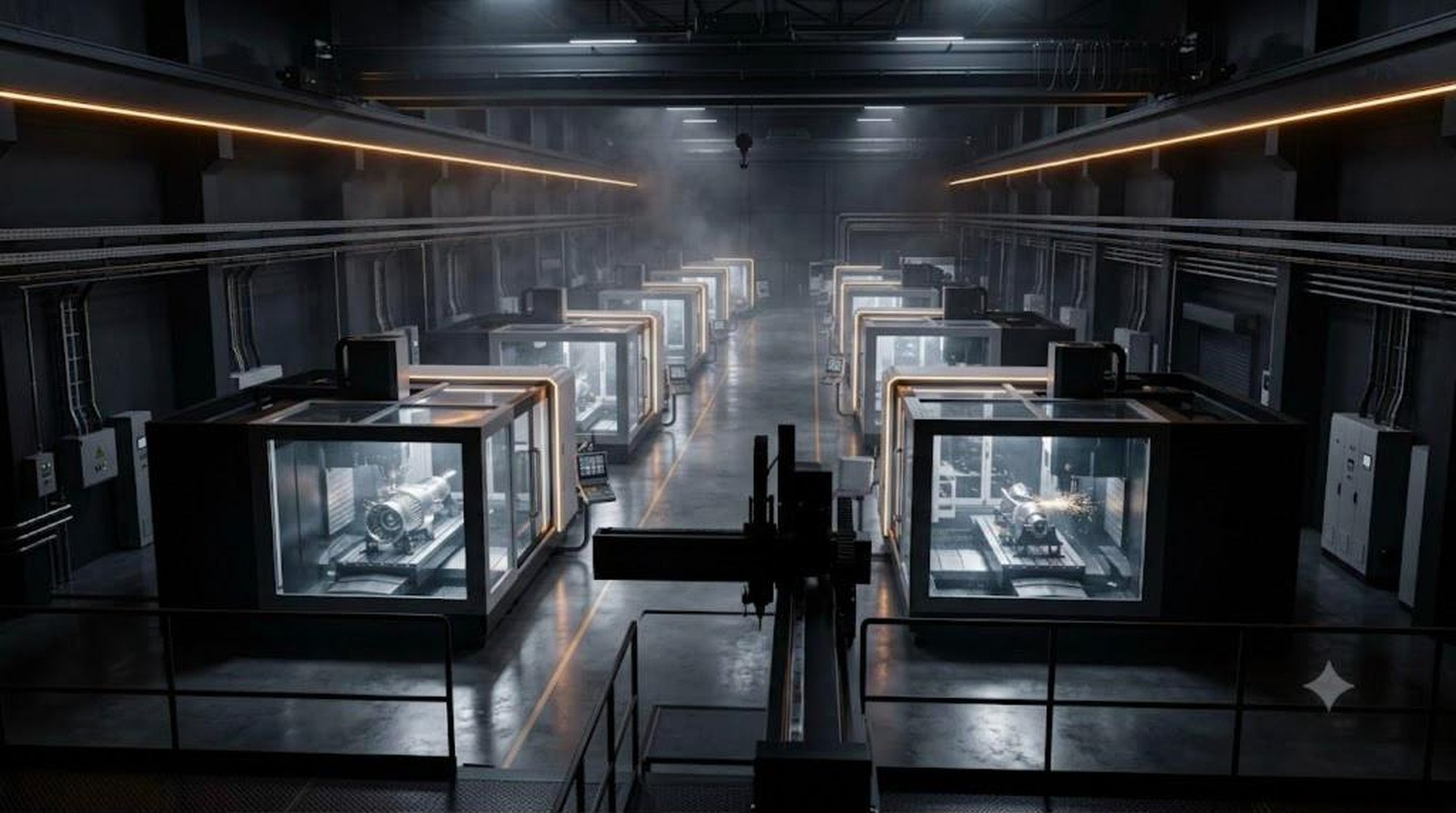
Long-cycle machining where a restart doesn't cost minutes — it costs the part.
Electronics & medical devices
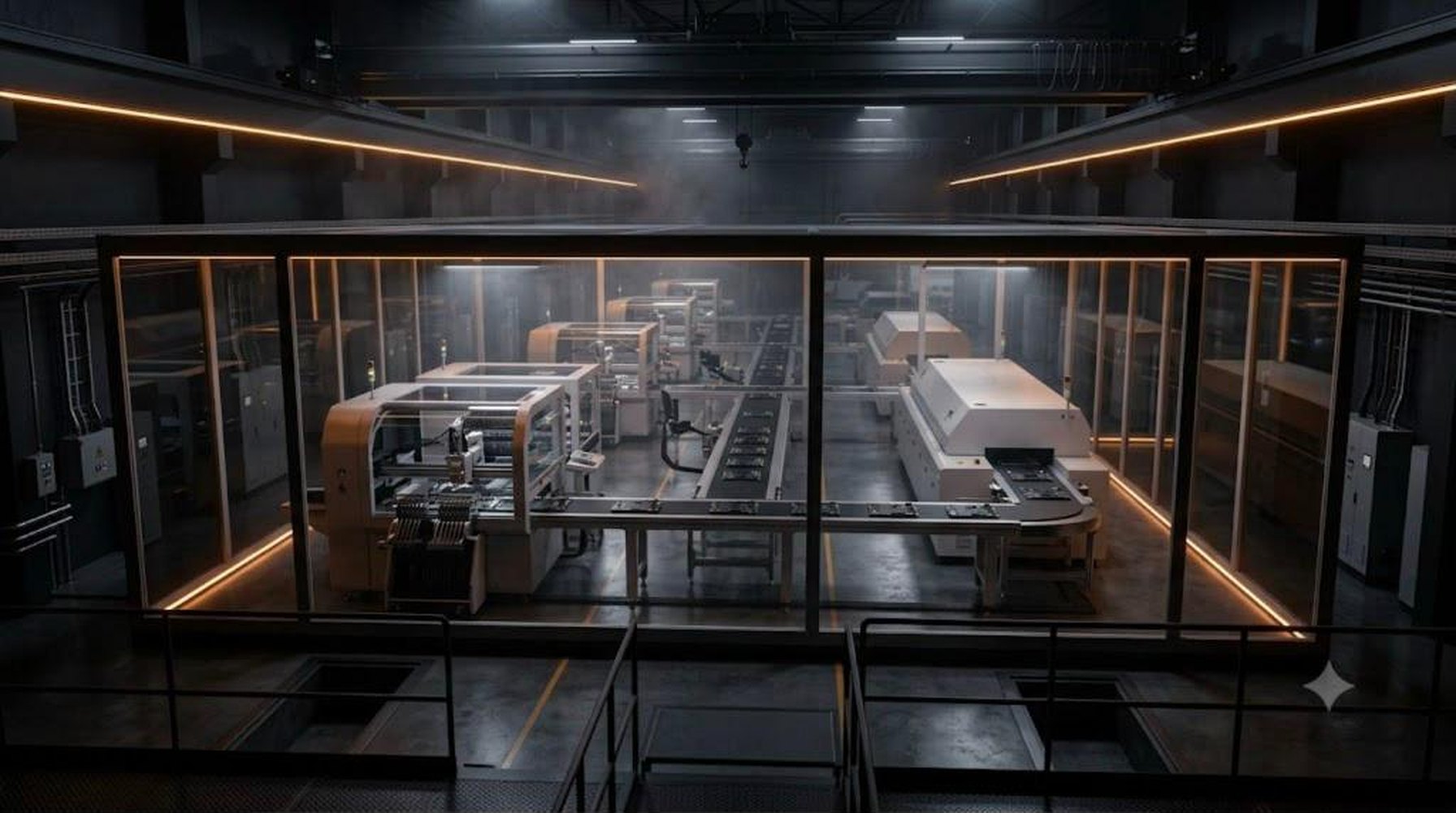
SMT lines, reflow ovens and validated processes where any interruption opens a quality investigation.
The decision
We don't sell equipment.
We build the business case.
Judged purely as an energy project, an NB-BESS can look like a long payback. Once the real cost of stoppages is included — output, quality, maintenance, logistics — the project usually looks like a different investment entirely.
That's why we sit down with Operations, Quality, Maintenance and Finance before recommending anything. The goal isn't a fast quote. It's a decision every function can defend with its own numbers.
We quantify the problem
Event frequency and duration, lost output, scrap, overtime, equipment damage and recovery time.
We put a number on it
Using the costs of your own operation — not generic industry assumptions.
We size the investment
Architecture, CAPEX, financial structure, applicable tax benefits and scenarios.
Credentials
Born inside industry, not next to it
The first NB-BESS went into operation in 2020, and in 2022 PulseVolt was established as a company dedicated to these systems — carrying the engineering and field experience of more than 300 industrial plants. The technology was proven first in Mexico — one of the most demanding grid environments in the world for advanced manufacturing.